

Best Social Justice Organization
Casa San José
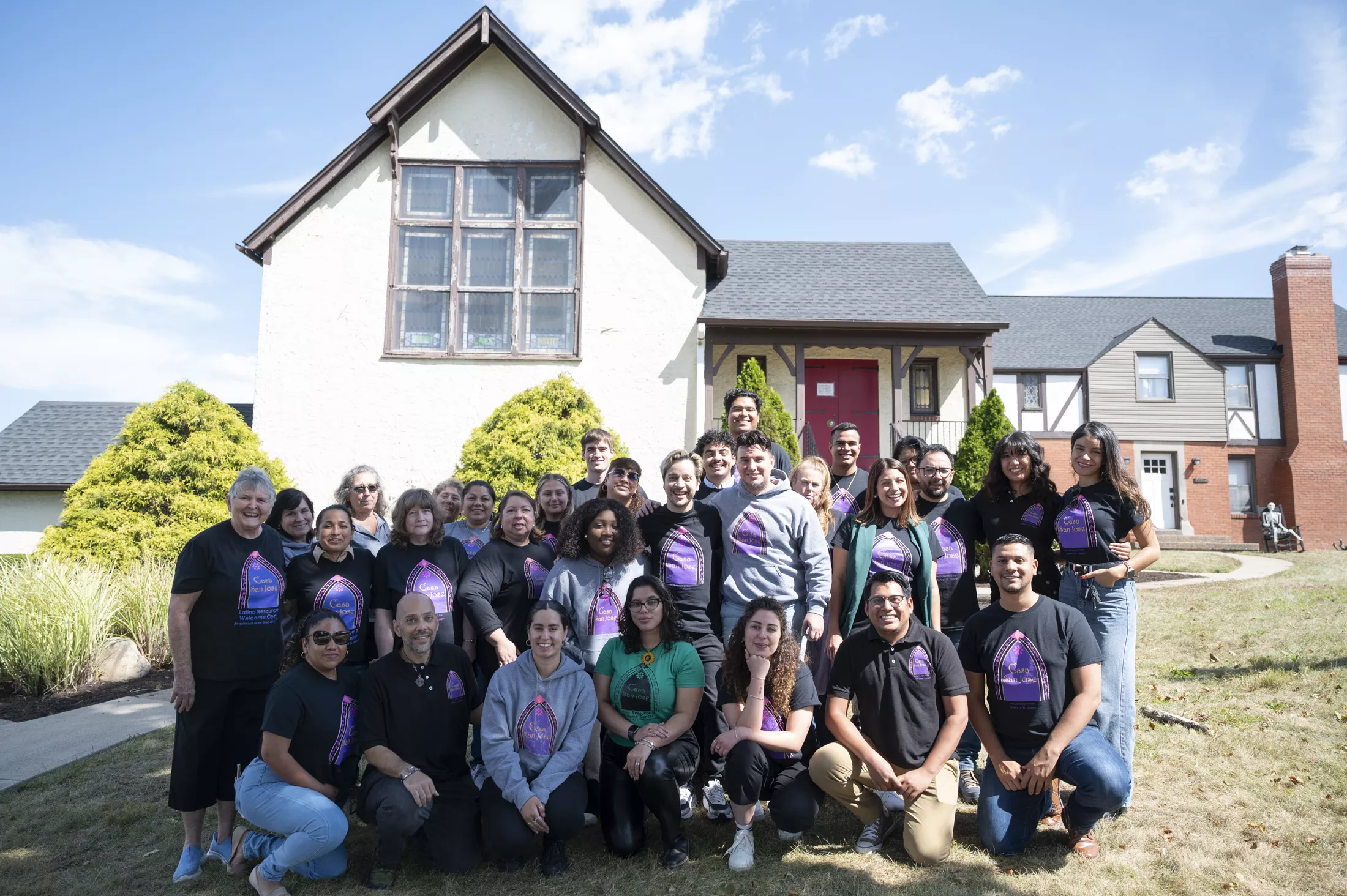
Pittsburgh City Paper catches Casa San José’s executive director Monica Ruiz on a typically busy day — in between answering interview questions, Ruiz briefly excuses herself to greet visitors and staff, request program data, and direct a visitor to the right office. It’s a sign of how indispensable the institution has become locally, particularly as U.S. President Donald Trump implements an immigration policy that has shaken communities and divided families.
“Last year, we had a total of 2,304 interventions,” Ruiz says. Interventions at Casa San José include everything from English lessons to Know Your Rights training. “This year so far — and we’re only in September — we’ve had 3,409.”
In short, Casa San José is working hard to meet the moment.
The organization, started by nun Janice Vanderneck in 2013, has “experienced exponential growth” under Ruiz, per the Casa San José website. That growth reflects a near-doubling of Pittsburgh’s Hispanic community between the 2010 and 2020 U.S. Censuses. It also reflects the challenges of a community facing unprecedented threats from the highest levels of government. Ruiz says local church attendance is down, and families have, in some cases, seen parents and primary breadwinners detained by Immigration and Customs Enforcement (ICE).
Ruiz says ICE raids and a general climate of fear are having a tangible economic impact. “Are you going to buy a house if you don't know if you're going to be here tomorrow? Are you going to open a business? … Probably not,” she says. “You're not thriving; just surviving. That's not how we create healthy communities or vibrant communities.”
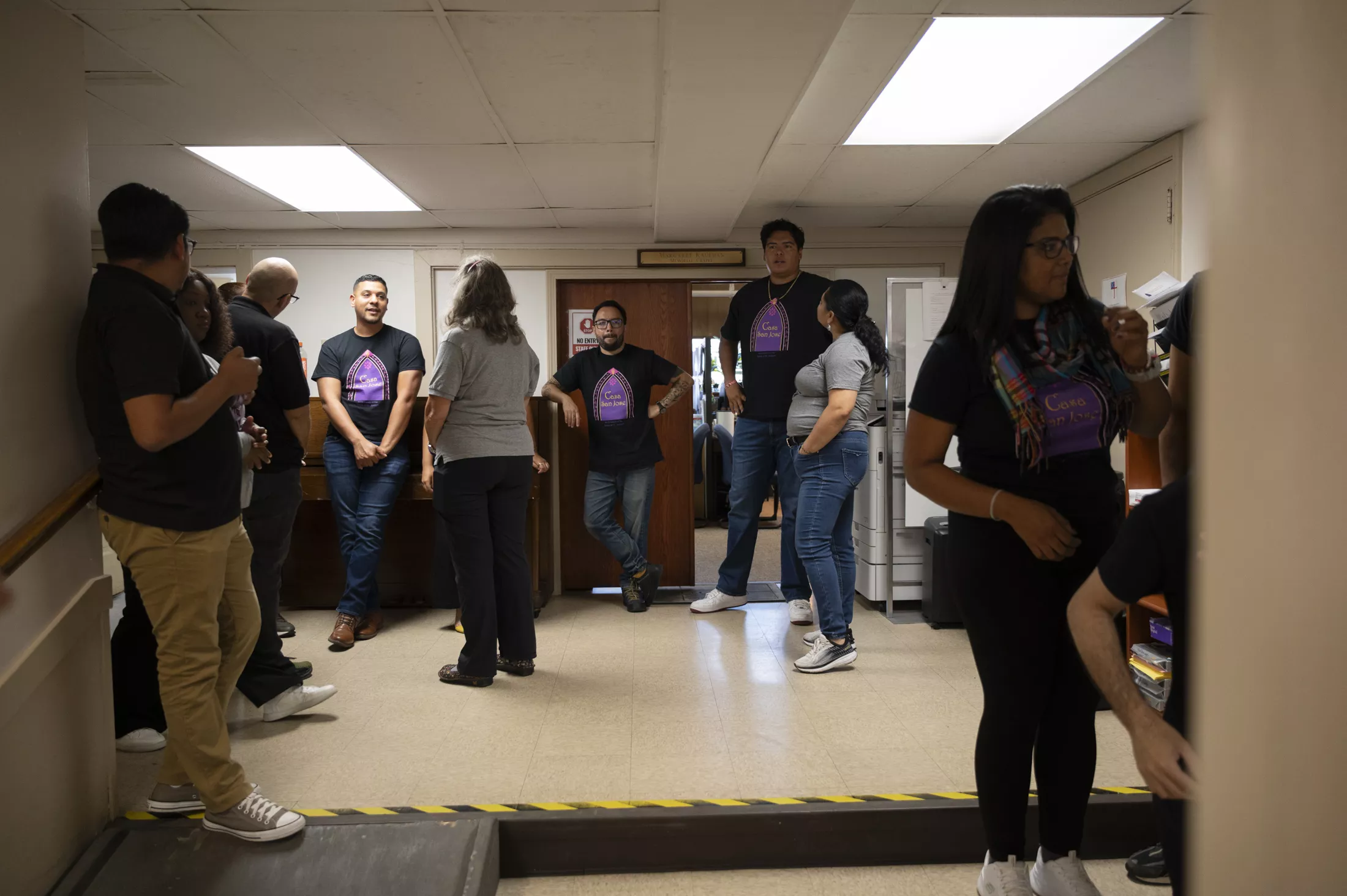
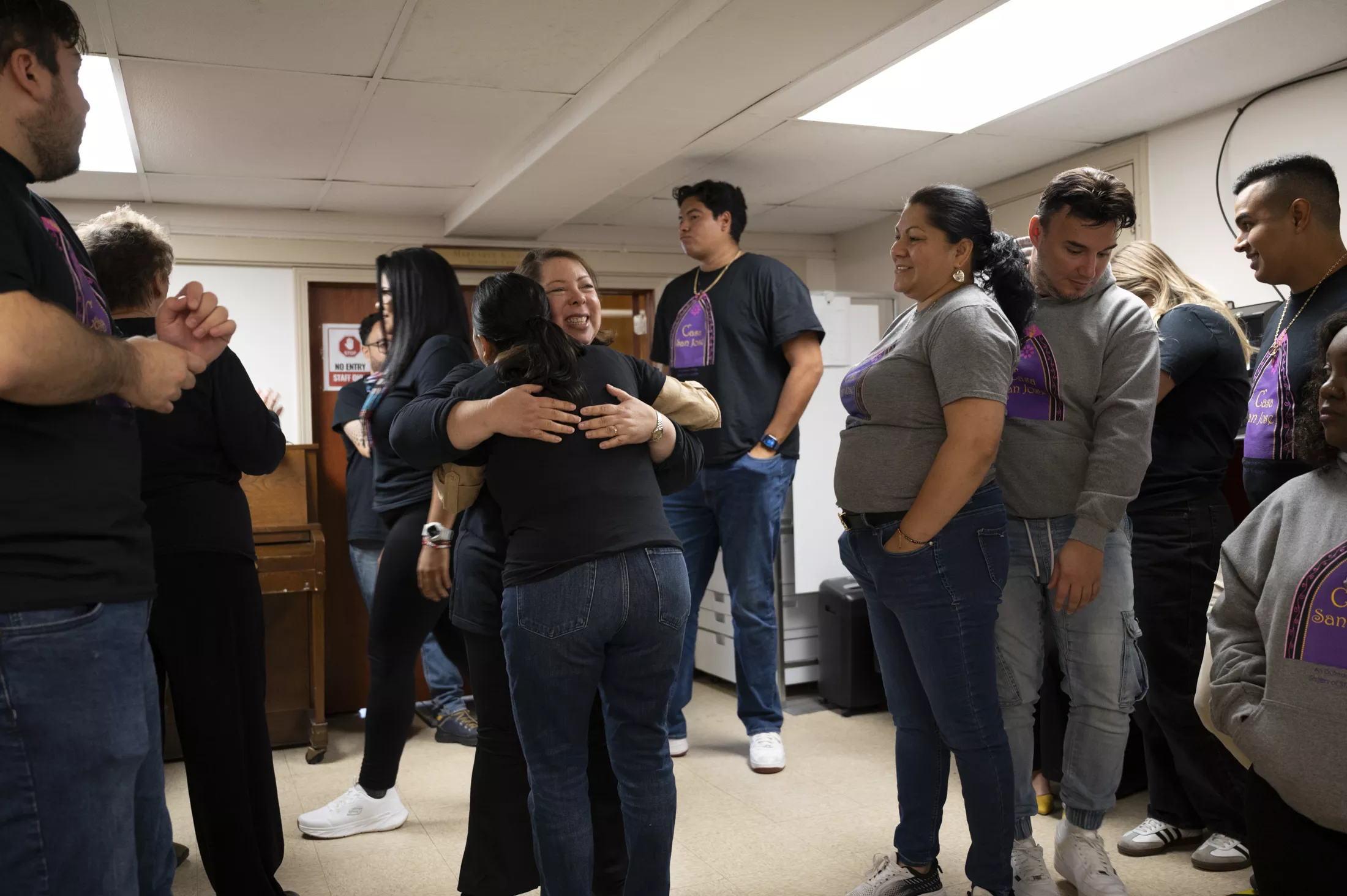
In response, Casa San José has worked to educate residents, businesses, and neighborhood allies — especially in the immigrant-rich South Hills neighborhoods near its Beechview headquarters — while continuing to provide services including youth programming and sewing classes. Casa San José now has 35 dedicated staff members and over 100 volunteers supporting its efforts, and the organization is working on an expansion that will allow it to bring more services under one roof.
Ruiz welcomes the community’s ongoing help.
“We have a lot of strong support” from local politicians, she says. “We've had a ton of people be trained on the rapid response team.” Casa San José has also been rallying supporters for a weekly prayer vigil outside ICE’s South Side offices, which Ruiz calls “a beautiful thing.”
“We're not there to throw our lives on the line … We're there to document what's going on,” she says. “I think that's a great way to make sure our neighbors know that there are people there for them, even though there might be very little that folks can do. We're shining a light onto what's happening. And people don't feel alone.” PO Box 7918, Pittsburgh, PA 15216